Why Post-Remediation Verification Ensures Mold-Free Homes in Riegelsville
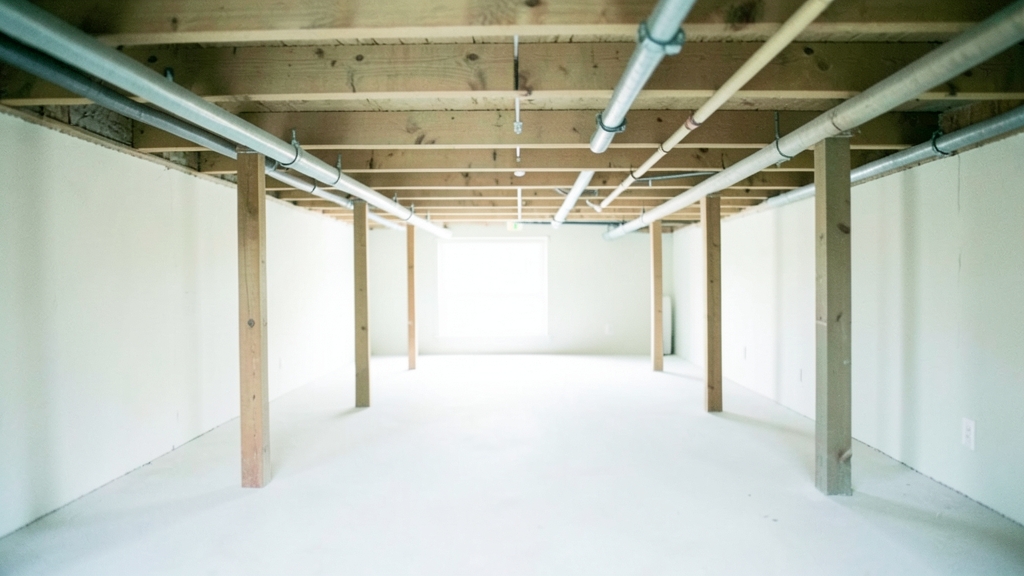
Post-remediation verification isn’t just a final step—it’s the only way to confirm your home is truly mold-free. Without it, hidden spores can regrow, undoing weeks of work and risking your family’s health. We use lab-backed testing to ensure the job is done right the first time.
What Is Post-Remediation Verification?
Post-remediation verification (PRV) is the process of confirming that mold remediation was successful. It involves visual inspections, moisture readings, and air or surface sampling to ensure spore levels are within safe, normal ranges.
Unlike a standard mold inspection, PRV follows IICRC S520 standards and is performed *after* remediation is complete. It’s the difference between assuming the problem is fixed and *knowing* it is.
Why Riegelsville Homes Need It After Every Remediation
Our region’s humid summers and damp basements create ideal conditions for mold recurrence. Even in Durham or Easton, hidden moisture behind walls or under flooring can fuel regrowth if not caught early.
PRV acts as a safeguard. Without it, you risk undetected colonies in attics, crawl spaces, or HVAC ducts—areas where mold thrives unseen. We’ve seen cases in Kintnersville where skipped verification led to costly rework within months.
Mold can regrow within 24–48 hours if moisture remains. PRV catches what the naked eye misses, especially in high-risk zones like basements and attics.
How Verification Differs From Initial Mold Testing
Initial mold testing identifies the problem; verification proves it’s resolved. The first tells you *what* and *where* mold exists. The second confirms *whether* it’s gone and if air quality meets EPA or IICRC benchmarks.
For example, a pre-remediation test in Springtown might reveal elevated *Aspergillus* in a basement. Post-remediation, we retest the same area to ensure spore counts match outdoor levels.
| Aspect | Initial Mold Testing | Post-Remediation Verification |
|---|---|---|
| Purpose | Identify mold presence and type | Confirm mold removal success |
| Timing | Before remediation | After remediation |
| Sampling | Air, surface, or bulk samples | Air and surface samples (clearance testing) |
| Standards | General IAQ assessment | IICRC S520 or EPA guidelines |
| Outcome | Remediation plan | Clearance certificate |
The Science Behind Clearance Testing
We use spore traps and swab samples, analyzed by accredited labs, to compare indoor spore counts to outdoor baselines. If levels are abnormal, we investigate further—often uncovering lingering moisture or improper containment during remediation.
Thermal imaging and moisture meters also play a role. In Riegelsville’s older homes, we frequently find residual dampness in wall cavities or under flooring that standard inspections overlook.
Common Pitfalls Without Verification
DIY remediation or hiring uncertified contractors often leads to incomplete mold removal. Without PRV, homeowners in areas like Easton or Durham may unknowingly live with toxic spores, risking respiratory issues and structural damage.
Even professional remediation can fail if drying isn’t thorough. We’ve seen cases where dehumidifiers were removed too soon, allowing mold to return within weeks.
The IICRC S520 standard *requires* clearance testing for all mold remediation projects. Skipping it may void compliance and could violate local health codes.
What to Expect During the Verification Process
Our team starts with a visual inspection, checking for signs of mold or water damage. We then take air and surface samples from remediated areas and control zones (e.g., outdoors or unaffected rooms).
Samples are sent to a lab, and results typically return within 3–5 business days. If spores are elevated, we pinpoint the source—whether it’s a missed patch of drywall in an attic or a leaky pipe in a crawl space.
Verification Checklist
- Visual inspection of remediated areas
- Moisture mapping with meters/thermal imaging
- Air sampling (spore traps) in affected and control zones
- Surface sampling (swabs) for visible mold confirmation
- Lab analysis and comparison to outdoor baselines
- Final report with clearance or corrective actions
When Verification Fails: Next Steps
If clearance testing fails, we don’t walk away. We re-inspect, identify the root cause (e.g., unresolved water intrusion, poor ventilation), and create a corrective plan. This might involve re-cleaning surfaces, replacing materials, or improving moisture control.
In commercial properties, failed verification can halt operations. We’ve helped businesses in Easton and Springtown avoid shutdowns by addressing issues like HVAC contamination or improperly sealed crawl spaces.
Long-Term Mold Prevention After Verification
PRV confirms the mold is gone, but prevention keeps it from returning. We recommend dehumidifiers for basements, vapor barriers in crawl spaces, and regular HVAC maintenance to control humidity.
For homes near the Delaware River or in flood-prone areas like Kintnersville, we often install moisture sensors and advise on grading or drainage improvements. Prevention is cheaper than remediation.
Maintain indoor humidity below 50% year-round. In Riegelsville’s climate, a whole-home dehumidifier can be a game-changer for basements and attics.
How to Prepare for Post-Remediation Verification
A smooth verification process starts with proper preparation.
- 1Ensure Full Drying
All remediated areas must be completely dry. Run dehumidifiers for at least 24–48 hours after remediation before scheduling verification.
- 2Avoid Disturbing Areas
Don’t clean or move items in remediated zones until after verification. Disturbing surfaces can skew spore count results.
- 3Seal Off Work Zones
Keep remediated areas isolated from the rest of the home to prevent cross-contamination during testing.
- 4Provide Access
Clear pathways to attics, crawl spaces, and basements. Our team needs unobstructed access to take accurate samples.
- 5Share Remediation Records
Have your remediation report ready. This helps us focus testing on high-risk areas and compare pre- and post-remediation data.
Frequently Asked Questions
How soon after remediation should verification be done?
Verification should occur *after* all remediation work is complete and the area is fully dry—typically within 1–2 weeks. Testing too soon (e.g., before materials are dry) can yield false positives.
Is post-remediation verification required by law in Riegelsville?
While Pennsylvania doesn’t mandate PRV for residential properties, it’s an industry best practice and often required by insurance or real estate transactions. Commercial projects may have stricter local or federal guidelines.
Can I do clearance testing myself?
No. Clearance testing requires specialized equipment, lab analysis, and adherence to IICRC S520 standards. DIY test kits lack the precision and legal validity of professional verification.
What happens if verification finds mold still present?
We’ll identify the source—whether it’s missed contamination, unresolved moisture, or poor containment—and create a targeted plan to address it. This may involve additional cleaning, material removal, or moisture control upgrades.
Does verification cover attics and crawl spaces in Riegelsville homes?
Yes. These are high-risk areas in our climate, so we prioritize them during verification. We use moisture meters and thermal imaging to detect hidden issues in hard-to-reach spaces.
How much does post-remediation verification cost?
Costs vary based on home size, number of samples, and lab fees. Factors include the type of testing (air vs. surface), the number of rooms, and whether thermal imaging is needed. Request a quote for an accurate estimate.