Natural Mold Prevention Solutions That Work in Riegelsville Homes
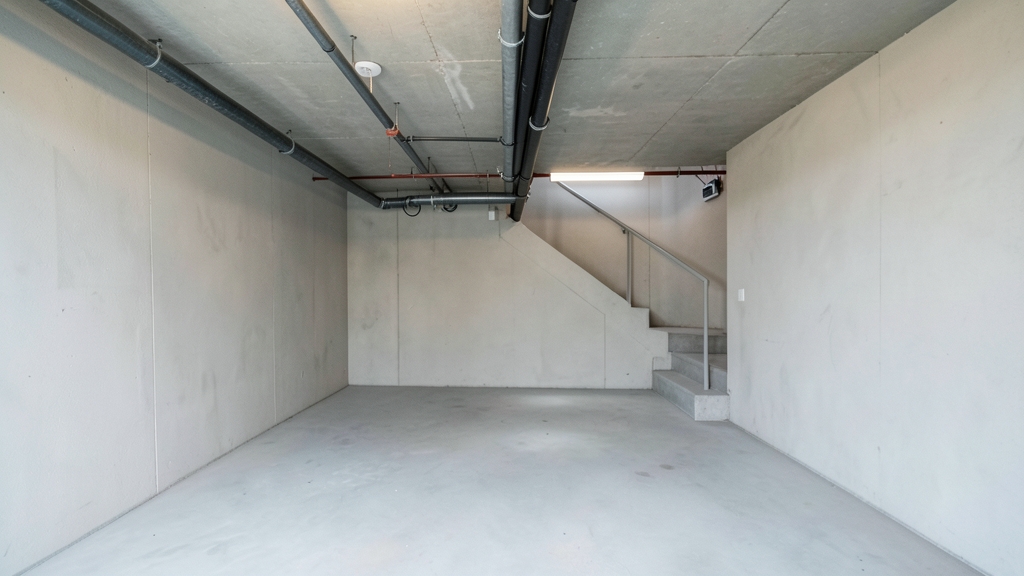
Mold thrives in Riegelsville’s humid summers and damp basements, but harsh chemicals aren’t your only defense. We’ve spent years remediating mold in homes across Durham, Springtown, and Easton—natural prevention works if you target moisture at the source. Below, we share field-tested, non-toxic strategies to keep your home mold-free long-term.
Why Natural Mold Prevention Matters in Our Climate
Riegelsville’s proximity to the Delaware River and seasonal humidity create ideal conditions for mold spores to settle and colonize. Natural prevention isn’t just eco-friendly—it’s often more sustainable for long-term moisture control.
Chemical treatments can mask problems temporarily, but without addressing humidity, leaks, or poor airflow, mold returns. We prioritize solutions that disrupt the mold lifecycle at its root: excess moisture.
Top Natural Mold Inhibitors (And Where to Use Them)
White vinegar (5% acetic acid) kills about 82% of mold species on non-porous surfaces like tile or glass. Spray undiluted, let sit for an hour, then wipe—no rinsing needed.
Hydrogen peroxide (3%) is effective on porous materials like drywall or wood, but test in an inconspicuous area first to avoid bleaching. Apply, scrub gently, and dry thoroughly.
Tea tree oil (1 tsp per cup of water) is a potent antifungal for small, non-porous areas. Its strong scent dissipates, but it’s not ideal for large infestations or attics with limited ventilation.
| Inhibitor | Effectiveness | Best For | Limitations |
|---|---|---|---|
| White Vinegar | High (82% of species) | Non-porous surfaces (tile, glass) | Strong odor, not for porous materials |
| Hydrogen Peroxide | High | Porous surfaces (drywall, wood) | May bleach fabrics, test first |
| Tea Tree Oil | Moderate-High | Small, non-porous areas | Strong scent, costly for large areas |
| Baking Soda | Moderate | Odor absorption, light mold | Less potent, better for maintenance |
Moisture Control: The Foundation of Mold Prevention
No natural inhibitor works without controlling moisture. In Riegelsville, basements and crawl spaces are high-risk zones—especially after heavy rains or snowmelt. A dehumidifier set to 45-50% humidity can prevent spores from germinating.
Improper grading around your home’s foundation can funnel water toward your basement. Ensure downspouts extend at least 5 feet from the house, and slope the ground away from walls.
Attics in older homes near Easton often trap moisture from poor ventilation. Check for condensation on rafters or water stains on plywood—these signal a need for better airflow or insulation.
Ventilation Strategies for High-Risk Areas
Bathrooms and kitchens in Riegelsville homes often lack adequate exhaust fans. Install or upgrade to a fan rated for at least 50 CFM for bathrooms under 100 sq. ft., and run it for 20-30 minutes after showers.
Crawl spaces should be ventilated with at least 1 sq. ft. of vent per 150 sq. ft. of floor area, but in humid climates like ours, encapsulation with a vapor barrier is often more effective.
For attics, ridge vents paired with soffit vents create a passive airflow system that reduces condensation. Avoid sealing attics without professional input—trapped moisture can worsen mold growth.
DIY vs. Professional Mold Prevention: When to Call Us
Natural solutions work for small, surface-level mold or maintenance. But if you see mold returning after cleaning, or detect a musty odor without visible growth, hidden colonies may lurk in walls, ducts, or under flooring.
Our team uses thermal imaging and moisture meters during mold inspections to pinpoint leaks or condensation issues that DIY methods can’t address. Air quality testing can also reveal spore levels invisible to the naked eye.
Signs You Need Professional Mold Remediation
- Mold covers an area larger than 10 square feet
- Mold returns within weeks of cleaning
- You or family members experience unexplained allergies or respiratory issues
- There’s evidence of water damage (stains, warping, peeling paint)
- Mold is in HVAC systems, crawl spaces, or attics
Long-Term Natural Prevention: Habits That Work
Regularly inspect areas prone to moisture: under sinks, around windows, and near appliances like washing machines or water heaters. Fix leaks immediately—even small drips can sustain mold.
Use moisture-absorbing products like silica gel or calcium chloride in closets, basements, and storage areas. Replace or recharge them every few months.
Houseplants like peace lilies or snake plants can improve indoor air quality, but they won’t replace proper ventilation or dehumidification. Overwatering plants can also introduce moisture—balance is key.
In spring and fall, Riegelsville’s temperature swings can cause condensation on windows. Use storm windows or insulation film to reduce this effect, and wipe condensation daily.
Natural Solutions for Specific Areas in Your Home
Basements and crawl spaces benefit from a layered approach: dehumidifiers, vapor barriers, and proper drainage. For existing mold, a HEPA vacuum can remove spores from surfaces before applying natural inhibitors.
Attics require a focus on airflow and insulation. Ensure insulation isn’t blocking soffit vents, and consider a radiant barrier if your attic overheats, which can lead to condensation when temperatures drop.
Bathrooms should be cleaned weekly with vinegar or hydrogen peroxide, and shower curtains or liners should be washed or replaced regularly to prevent mildew buildup.
Common Mistakes to Avoid With Natural Mold Prevention
Bleach is not a natural solution—and it’s ineffective on porous materials. It only removes surface color, leaving roots intact. Stick to vinegar or hydrogen peroxide for safer, deeper cleaning.
Ignoring humidity levels is a critical error. Even with natural inhibitors, mold will return if humidity stays above 60%. Invest in a hygrometer to monitor levels in problem areas.
Overlooking outdoor factors can undermine indoor efforts. Clean gutters regularly, and ensure your yard’s grading directs water away from your home’s foundation.
How to Create a Natural Mold Prevention Routine
Consistency is key to keeping mold at bay—here’s how to build a routine that works for Riegelsville homes.
- 1Identify Problem Areas
Walk through your home with a flashlight and moisture meter (or request a professional mold inspection). Note any damp spots, water stains, or musty odors, especially in basements, attics, and bathrooms.
- 2Control Humidity
Place dehumidifiers in basements, crawl spaces, and other high-moisture areas. Aim for 45-50% humidity, and empty or drain the unit regularly. Use exhaust fans in kitchens and bathrooms during and after cooking or showering.
- 3Clean and Treat Surfaces
For small mold patches, spray white vinegar or hydrogen peroxide on the area, let it sit for 10-60 minutes, then scrub with a stiff brush. Dry the area thoroughly with a fan or towel. For larger areas, consult a professional.
- 4Improve Airflow
Open windows when weather permits, and use fans to circulate air. Ensure vents in attics, crawl spaces, and bathrooms are unobstructed. Consider adding vents or a whole-house fan if airflow is poor.
- 5Monitor and Maintain
Check problem areas weekly for signs of moisture or mold. Reapply natural inhibitors as needed, and replace moisture absorbers like silica gel. Schedule a professional air quality test annually if mold has been an issue.
Frequently Asked Questions
Are natural mold prevention methods as effective as chemical treatments?
For small, surface-level mold, natural methods like vinegar or hydrogen peroxide can be just as effective as chemicals—without the harsh fumes. However, for large infestations or porous materials, professional remediation with specialized equipment is often necessary.
How often should I check for mold in my Riegelsville home?
Inspect high-risk areas (basements, attics, bathrooms) monthly, especially after heavy rain or humidity spikes. If your home has a history of mold, consider a professional mold inspection and air quality test every 1-2 years.
Can I use essential oils to prevent mold?
Essential oils like tea tree, clove, or citrus have antifungal properties and can inhibit mold growth on non-porous surfaces. However, they’re not a standalone solution—pair them with moisture control and regular cleaning for best results.
How can you prevent mold in a finished basement?
Start with a dehumidifier and ensure proper grading outside to direct water away from the foundation. Use moisture-resistant materials like paperless drywall, and consider a vapor barrier under flooring. Regularly check for leaks or condensation.
Do air purifiers help with mold prevention?
HEPA air purifiers can capture mold spores circulating in the air, reducing the risk of new colonies forming. However, they don’t address the root cause—moisture. Use them alongside dehumidifiers and ventilation for comprehensive prevention.
Is mold more common in older homes in areas like Kintnersville or Springtown?
Older homes often lack modern moisture barriers, ventilation, and insulation, making them more susceptible to mold—especially in damp climates. Regular maintenance, like sealing gaps and updating ventilation, can mitigate risks in historic properties.