The Long-Term Consequences of Poor Mold Removal in Riegelsville
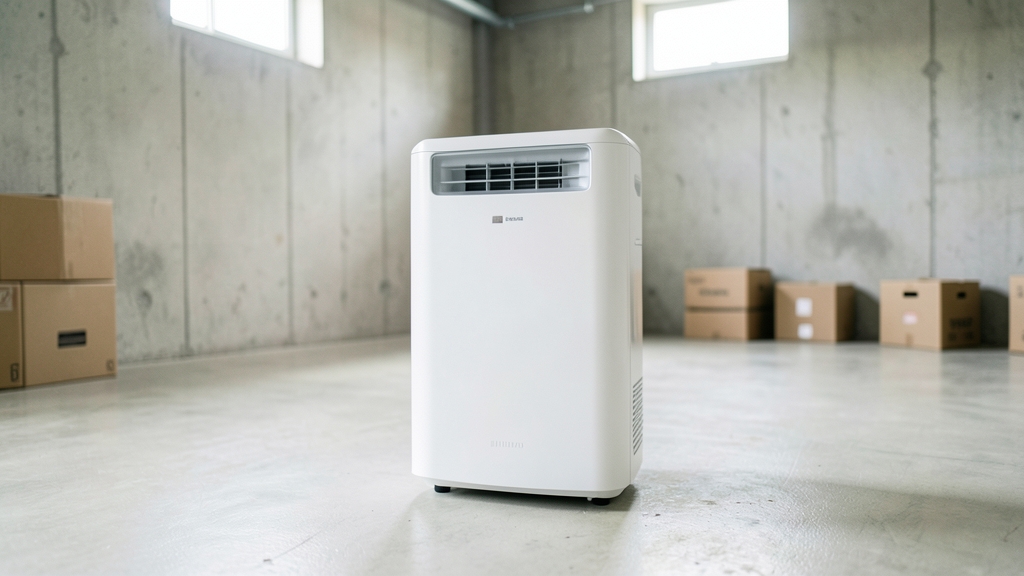
Poor mold removal isn’t just a temporary fix—it’s a ticking time bomb for Riegelsville homes. Left unchecked, incomplete remediation allows spores to regrow, compromising air quality, structural integrity, and even your family’s health. We’ve seen firsthand how cutting corners today leads to far costlier problems tomorrow.
Why Incomplete Mold Removal Fails in the Long Run
Mold is a survivor. If remediation stops at surface cleaning without addressing the root moisture issue, spores embedded in drywall, insulation, or subflooring will reactivate. In our climate, seasonal humidity spikes—especially in basements and crawl spaces—accelerate this cycle.
Many DIY attempts or uncertified contractors miss hidden colonies behind walls or under flooring. Without proper containment, spores spread via HVAC systems, contaminating other areas of the home. This is why professional mold inspection and testing are non-negotiable.
Mold thrives in areas with poor airflow and high humidity. In Riegelsville, basements, attics, and crawl spaces are the most common culprits—often overlooked until damage becomes severe.
Health Risks: More Than Just Allergies
Exposure to lingering mold spores can trigger chronic respiratory issues, especially in children, the elderly, or those with compromised immune systems. Symptoms like coughing, skin irritation, and fatigue often persist until the source is fully eradicated.
Certain molds, like Stachybotrys (black mold), produce mycotoxins that pose serious long-term health risks. These toxins can linger in dust and air long after visible mold is gone, emphasizing the need for thorough air quality testing post-remediation.
Structural Damage: The Silent Cost of Neglect
Mold doesn’t just stain surfaces—it decomposes organic materials. Wood framing, drywall, and even concrete can weaken over time, leading to sagging floors, cracked walls, or compromised foundations. In older Riegelsville homes, this risk is amplified by aging building materials.
Water damage from leaks or flooding creates the perfect breeding ground. Without proper drying and moisture control, mold will return, often requiring extensive repairs. We’ve seen cases where delayed action led to full subfloor replacements in basements near the Delaware River.
| Material | Mold Resistance | Long-Term Risk if Contaminated |
|---|---|---|
| Drywall | Low | Crumbles, requires replacement |
| Wood Framing | Low | Rots, loses structural integrity |
| Concrete | Moderate | Surface mold, potential cracks |
| Fiberglass Insulation | Low | Traps spores, must be removed |
| Mold-Resistant Drywall | High | Minimal risk if properly installed |
How Poor Remediation Spreads Contamination
Improper removal—like using bleach on porous surfaces or failing to contain the work area—can aerosolize spores, spreading them to previously clean zones. This cross-contamination often affects HVAC systems, which then distribute spores throughout the home.
In multi-story homes, spores from a basement mold issue can migrate upward, settling in attics or living spaces. This is why containment barriers and negative air pressure are critical during professional remediation.
Always use plastic sheeting and air scrubbers with HEPA filters during remediation. This prevents spores from becoming airborne and infecting other areas.
The Financial Fallout of Cutting Corners
Short-term savings on cheap remediation often lead to exponential costs down the line. Repeated treatments, structural repairs, and health-related expenses add up quickly. In extreme cases, homes in Riegelsville and nearby areas like Easton or Durham have required full gut renovations due to unchecked mold.
Insurance may deny claims if poor remediation is deemed the cause of recurring damage. Proper documentation from professionals—including pre- and post-remediation testing—protects your investment.
Mold in Riegelsville’s Unique Climate
Our region’s humid summers and cold, damp winters create a year-round mold risk. Basements in neighborhoods along the river are particularly vulnerable to moisture intrusion from groundwater or poor drainage.
Attics often suffer from condensation due to temperature fluctuations, leading to hidden mold growth on roof decking or insulation. Regular inspections—especially after heavy rains or snowmelt—are key to early detection.
Signs Your Previous Mold Removal Was Inadequate
Musty odors are the most obvious red flag. If the smell returns after treatment, spores are likely still present. Visible staining or new growth in previously treated areas is another clear indicator of failure.
Recurring health symptoms among household members, or new water stains on walls and ceilings, suggest the root issue was never resolved. In such cases, a fresh mold inspection and air quality test are essential.
Red Flags of Incomplete Remediation
- Persistent musty odors
- Visible mold regrowth within weeks
- Unexplained health symptoms (e.g., respiratory issues)
- New water stains or peeling paint
- High humidity levels (above 60%) in treated areas
How to Verify a Thorough Mold Remediation Job
Ensuring mold is fully removed requires more than a visual check—here’s how to confirm the work was done right.
- 1Request Post-Remediation Testing
Hire an independent third-party to conduct air quality and surface testing. This confirms spore levels are within safe ranges, especially in high-risk areas like basements or attics.
- 2Inspect for Moisture Sources
Use a moisture meter to check walls, floors, and ceilings. Any reading above 15-20% indicates lingering dampness that could fuel regrowth.
- 3Check Containment and Cleanup Protocols
Verify the contractor used proper containment (plastic barriers, negative air pressure) and HEPA vacuums to remove spores from the air and surfaces.
- 4Review Documentation
A reputable remediation team provides detailed reports, including before/after photos, moisture maps, and test results. Keep these for insurance and resale purposes.
- 5Monitor Indoor Humidity
Install hygrometers in problem areas. Maintain humidity below 50% with dehumidifiers or ventilation upgrades to prevent recurrence.
Frequently Asked Questions
Can mold return after professional remediation in Riegelsville?
Even if the underlying moisture issue isn’t resolved, remediation fails without fixing leaks, poor ventilation, or high humidity.
How do I know if my home’s mold is toxic?
Not all mold is toxic, but species like Stachybotrys require careful handling. Air quality testing identifies spore types and concentrations. Never assume a mold is harmless based on appearance alone.
Is mold in my crawl space a big deal if it’s not in the living area?
Absolutely. Crawl spaces in Riegelsville often connect to HVAC systems or have air leaks, allowing spores to migrate upward. Unaddressed crawl space mold can also weaken floor joists and subflooring.
What’s the difference between mold removal and mold remediation?
Removal refers to eliminating visible mold, while remediation includes fixing the moisture source, containing spores, and restoring affected areas. True remediation prevents recurrence—removal alone does not.
Do I need to leave my home during mold remediation?
For small, contained jobs, it’s often unnecessary. However, large-scale or toxic mold remediation may require temporary relocation, especially for vulnerable individuals. Your contractor will advise based on the scope.
Can I handle mold remediation myself in my basement?
For small, non-porous surfaces, DIY may suffice with proper PPE and containment. But for porous materials (drywall, insulation) or areas over 10 sq. ft., professional remediation is safer and more effective. Improper handling can worsen contamination.